
Product Designer and Innovative Casino Designer Nadine Jarvis
New avenues for modern practice are made possible by the convergence of immersive place creation and careful product design. This investigation looks at how conceptual design approaches influence a range of applications, from small-scale items to expansive settings, paying special emphasis to the development of gaming venues.
Experience in the Design Field and Professional Background
Through material experimentation and research-led practice, Nadine Jarvis has made a name for herself in the field of modern design. Her creations serve as both useful things and societal commentary, exploring the ways in which objects transmit human experiences. Her practice, which is based in the UK, combines studio creation with scholarly study.

Foundation for Early Career and Education
The designer worked closely with materials and conceptual frameworks to build her approach. Her teaching methodology encourages students to see design as cultural inquiry rather than just problem-solving, emphasizing critical thinking in addition to technical proficiency. Her teaching approach at several universities, where she mentors up-and-coming practitioners through challenging design territory, is informed by this foundation.
Her work was distinguished from traditional product design by its characteristic themes of death, memory, and material metamorphosis, which were evident in her early designs. She established a distinctive viewpoint in the discipline that continues to have an impact on practitioners by investigating the role that objects play in human rituals.
Prominent Initiatives and Exhibitions
Nadinejarvis has created work throughout her career that have been praised for their conceptual complexity and inventive use of materials. Pieces such as "Rest In Pieces" and "Rosette for Thought" demonstrate her capacity to produce art that serves as both a societal criticism and a useful product. Her exhibition career includes academic symposiums, galleries, and design festivals around Europe.
Viewers are given the chance to reevaluate well-known items and presumptions ingrained in material culture in each presentation. She has established herself as a practitioner and theorist as a result of this approach, which has garnered her praise from colleagues and attention from design critics.
Overview of the Design Portfolio
With each project evolving via in-depth study and iterative improvement, her corpus of work exhibits a consistent dedication to using design as a tool for cultural investigation.
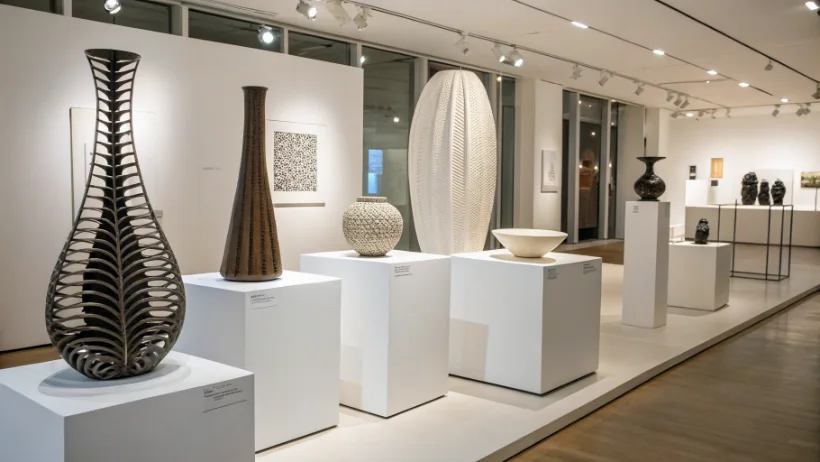
Important Tasks and Project Schedule
| Project Name | Year | Venue/Context | Thematic Focus |
|---|---|---|---|
| Rosette for Thought | 2007–2009 | Village Fete exhibitions | Memory and commemoration |
| Rest In Pieces | 2008–2010 | Design festivals, galleries | Mortality and transformation |
| Precious Object Projector | 2009 | Academic research | Object value and perception |
| Carbon Copies | 2008 | Design Mart presentations | Replication and authenticity |
Selected works that highlight her contribution to the conversation about modern design are included in this timeline. Growing trust in adopting design practice as research technique is reflected in the evolution, which shows changing interests and broadening methodological approaches.
Research Projects and Partnerships
Nadine Jarvis continues to be actively involved in design research, contributing to both collaborative projects and scholarly publications. She is interested in object-based learning, material culture studies, and the social aspects of design practice. These academic pursuits provide useful feedback between theory and practice, which informs studio work and instruction.
Through collaborative initiatives, she is able to test ideas in a variety of situations and explore challenging topics alongside other designers, academics, and cultural practitioners. Both aspects of practice are enhanced by her twin identities as a creator and a thinker.
Design Philosophy in Action
The designer's method views every project as a chance to investigate the ways in which environments, materials, and shapes interact to produce meaning. She frames goods as cultural artifacts that take part in human rituals and social behaviors rather than as merely utilitarian objects.
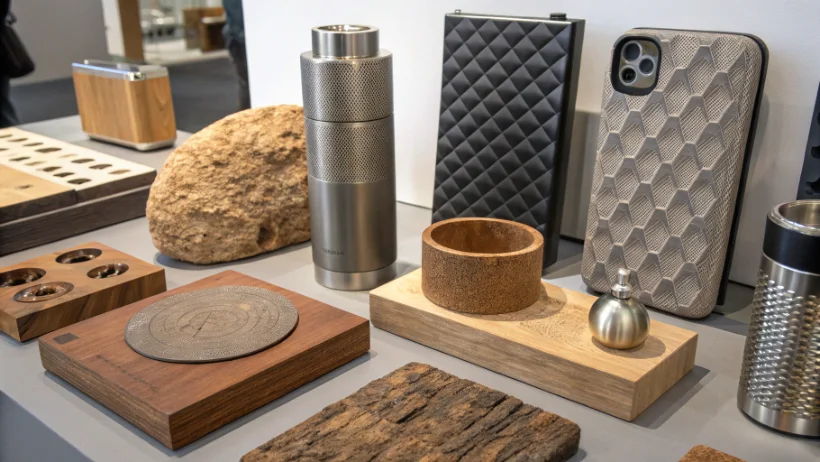
Methods of Object-Based Storytelling
With careful consideration of material choice, formal language, and user interaction, physical objects may convey intricate stories and foster emotional relationships. Jarvis examines how shapes link to preexisting object typologies and how various materials elicit certain connections. She manipulates these components to produce pieces that are both familiar and unusual.
This approach is in line with larger trends that prioritize experience above functionality alone. Instead of needing in-depth explanation, the storytelling is revealed through the object itself, enabling contact with challenging subjects through tangible objects.
Fundamental Design Principles and Values
Her work adheres to the following values that she formed over many years of creation and introspection:
- Material Integrity and Authenticity: Design choices must honor the cultural significance and intrinsic qualities of selected materials, steering clear of flimsy uses that defy historical associations or material logic.
- Conceptual Clarity: While maintaining an open mind during the decision-making process, projects should have well-defined conceptual underpinnings that serve as a guide for all future choices.
- User-Centered Empathy: Beyond functional demands or aesthetic preferences, design must take into account the entire range of human needs, including emotional, psychological, and social aspects.
- Research-Led Development: Design choices should be made after a careful analysis of relevant contexts, historical antecedents, and material behaviors. Research should also continue during development to guide iterative improvements.
- Cultural Responsibility: Designers are accountable for the cultural effects of their creations, which calls for careful evaluation of how items contribute to material culture and engage in social behaviors.
These guidelines give frameworks that aspiring designers can modify to fit their own methods while still upholding a dedication to design excellence and cultural relevance.
Design Thinking and the Development of Casino Experiences
Unexpected chances for innovation are revealed when careful design principles and gambling surroundings come together. Although gaming establishments have always placed a strong emphasis on visual spectacle, more sophisticated experience design is now valued.

Designing Immersions in Gaming Environments
There are particular difficulties with creating a mood, finding your way around, and maintaining user involvement while designing a casino. In order to create spaces that are stimulating without being overpowering, designers must strike a balance between comfort and excitement. New insights are provided by concepts derived from product design practice, such as user path mapping, spatial psychology, and attention to material quality.
Modern casino designers are becoming more aware that affluent patrons need more than just eye-candy. Instead of maximalist decorating, there is a rising admiration for design methods that create unique atmospheres via restrained elegance. This change gives conceptually trained designers the chance to share their knowledge of material authenticity and spatial storytelling.
Using Logic in Product Design in Casino Environments
Beyond mere aesthetics, the relationship between design and casinos raises important issues about experience design:
- Material Honesty in Environmental Design: Real wood, metal, stone, and textile treatments that communicate quality via tactile and visual qualities are used in casino interiors instead of imitation surfaces.
- Narrative Spatial Sequences: Through well planned spatial sequences, gaming environments may use storytelling strategies to lead visitors through experiences that are intended to be memorable.
- Human-Scale Intimacy in Huge Spaces: Even large casino floors can have human-scaled areas that provide psychological comfort by arranging furniture in different ways and varying the lighting to create a variety of experience areas.
- Functional Clarity and Intuitive Navigation: By emphasizing user-friendly interfaces in product design, visitors are able to comprehend environments more naturally, which lessens cognitive load and frees them up to concentrate on having fun.
- Craftsmanship and Detail Resolution: Through well-considered junctions, tasteful proportions, and superior finishes, attention to detail elevates casino interiors and sets excellent product design apart.
Designers show how design thinking transcends scale and application by applying techniques they have learned over years of creating objects to larger-scale spatial difficulties.
Spatial Psychology and User Experience
Effective casino design is based on an understanding of how people react to their surroundings. Research in spatial psychology shows how material textures build associations with luxury or casualness, how color temperatures affect emotional states, and how ceiling heights effect perceived time passage.
The link between the art and the casino entails juggling several conflicting demands. Spaces that encourage longer stays are what operators seek. Visitors look for settings that are both thrilling and cozy. Effective design of gaming environments acknowledges that modern users are highly design literate and value fine details.
Impact on the Industry and Professional Recognition
Nadine Jarvis's career path demonstrates her consistent dedication to conceptual rigor and design quality through a variety of accolades.
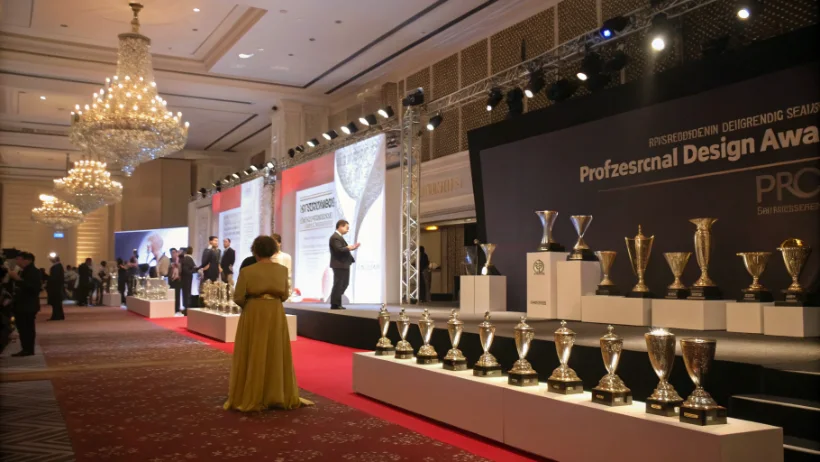
Career Highlights and Accomplishments
| Recognition Type | Description | Year | Significance |
|---|---|---|---|
| Exhibition Participation | Village Fete design festivals | 2007–2009 | Established UK design presence |
| Academic Appointments | Teaching roles at institutions | 2008–present | Shaped emerging designers |
| Publication Features | Coverage in design media | 2008–2012 | International attention |
| Research Contributions | Papers on material culture | 2009–2015 | Advanced theoretical discourse |
Her influence goes beyond specific projects and has a wider impact on how up-and-coming designers approach their work. Her emphasis on material knowledge, conceptual clarity, and cultural responsibility is carried on by students, with far-reaching multiplier effects that go beyond individual productivity.
Current Projects and Prospects
Current work push into new conceptual regions while continuing to explore topics that have been explored throughout her career. The method broadens to meet new cultural issues while maintaining its foundation in material research and narrative production. Deeper involvement with experiential initiatives and spatial design may be part of future directions.
Her distinct viewpoint, which combines practical creating abilities with conceptual rigor, puts her in a position to make a significant contribution to partnerships that prioritize contemplation over formula. The capacity to change while upholding fundamental principles is what makes the designer relevant today.
FAQ
What is the background of Nadine Jarvis in design, and who is she?
Based in the UK, Nadine Jarvis is a product designer, researcher, and educator who has established a unique practice centered on material experimentation and conceptual design. Her work, which combines studio practice with academic research and teaching, explores how objects influence human experiences, especially around issues of memory and cultural rituals.
What distinguishes her design methodology?
Her method stands out due to its focus on material authenticity and object-based storytelling. Through meticulous workmanship and conceptual depth, she creates work that serves as both a useful item and a cultural commentary, using design projects as chances for cultural inquiry rather than just utilitarian problem-solving.
What is the use of product design thinking in casino settings?
By emphasizing material quality, spatial story, and user experience, design thinking concepts are successfully applied to casino environments. Product-trained designers focus on psychological comfort, experience sequences, and material authenticity to create venues that seem smart rather than just exciting, reflecting a growing understanding that casino patrons value careful design methods.
Which of Nadine Jarvis's efforts are noteworthy?
Important pieces include "Rest In Pieces," which explores issues of death and material metamorphosis; "Rosette for Thought," which looks at memory and remembrance; and "Precious Object Projector," which explores how we value commonplace objects. These work have been displayed at galleries and design festivals in Europe and the United Kingdom.
Where can I find out more about conceptual design in the modern era?
The emphasis on concepts and cultural context unites a variety of techniques in contemporary conceptual design. Critical theory-focused design journals, exhibitions at organizations like the Design Museum, and university programs that emphasize research-led practice with practitioners demonstrating methods that connect thinking and doing are examples of resources.
How do art and casino design relate to each other?
Because both art and gambling settings prioritize creating experiences and creating ambiance, they come into contact. As a step toward more complex cultural engagement, modern gaming venues are increasingly incorporating creative approaches to material selection and spatial composition. Designers with fine arts training provide new insights into environmental communication.
Conclusion
Nadine Jarvis's work serves as an example of how careful design methods preserve useful functionality while producing significant cultural contributions. Her work establishes a paradigm for modern practice that values depth above surface-level innovation by bridging the fields of product design, conceptual art, and research.
One area where her methods are useful is in the application of design thinking to gambling settings. Designers may improve gaming venues above traditional formulae by focusing on user experience, material authenticity, and spatial psychology. This shows how concepts created via meticulous object-making adapt to architectural scale.
Ongoing efforts guarantee that future designers uphold commitments to deliberate making and cultural responsibility. As design practice continues to change, voices like as Nadinejarvis remind us that greatness demands both technical expertise and conceptual clarity.